

Svalbard in Summer: Tundra, Whales and Wildlife
CRUISE ID # QUARKOEX20270602
Helsinki TO Helsinki
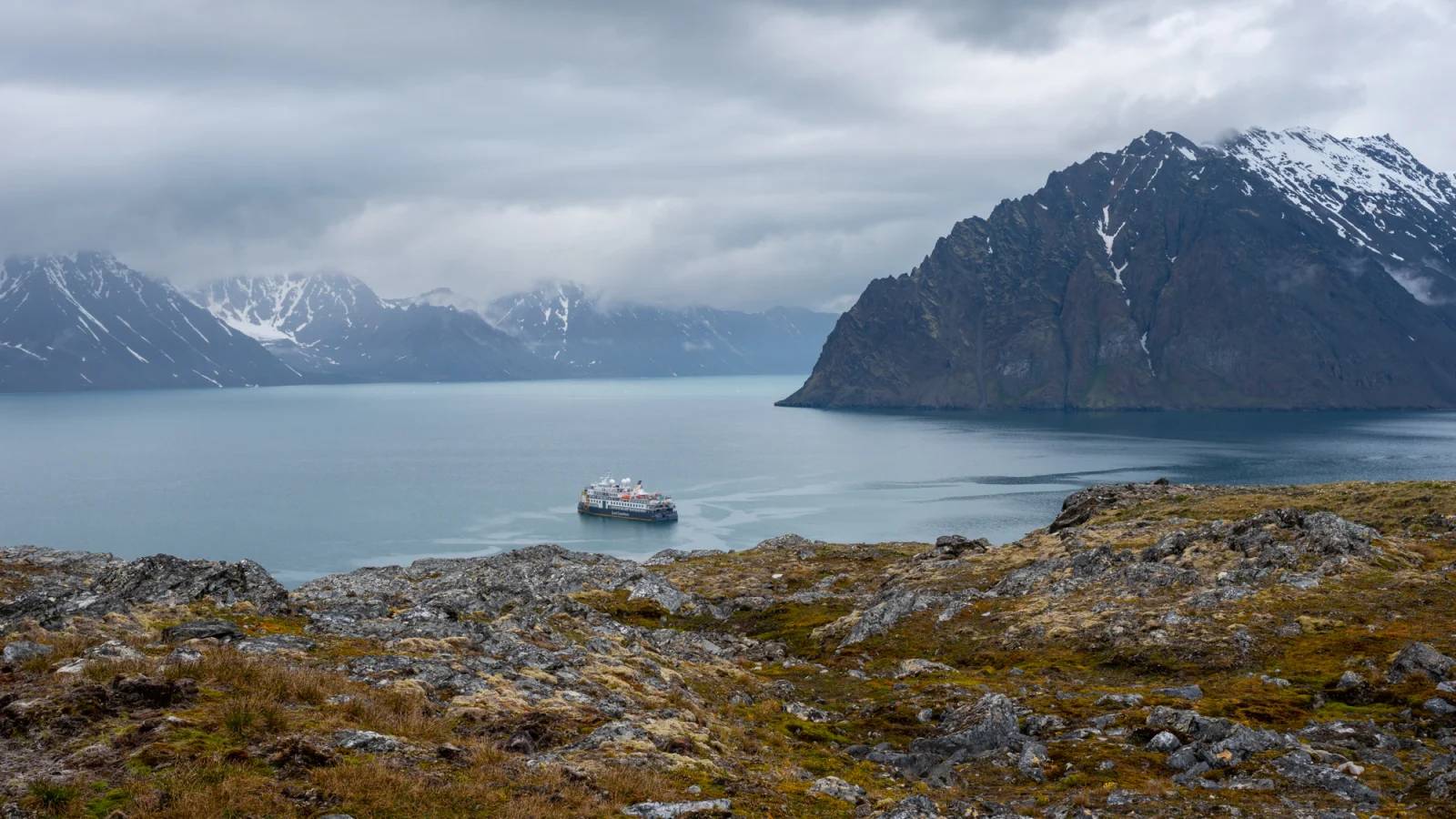
Suites & Fares
Itinerary

- Day 1June 02, 2027
Arrive in Helsinki, Finland
Arrive in the Finnish capital and make your way to the group hotel located right at Helsinki airport—included in your Charter Flight and Hotel Package You will have the rest of the day to explore explore the many museums, galleries and restaurants, relax at a Finnish sauna or wander the vibrant Design District. If you do plan to visit Helsinki city center, take advantage of the convenient 40-minute rail service from the airport.
- Day 2June 03, 2027
Fly to Longyearbyen, Svalbard, and embark
After breakfast, the group will transfer to the Helsinki airport and board our private charter flight to Longyearbyen, as part of the Charter Flight & Hotel Package. Our journey to the High Arctic now truly begins. You will see the coastal and birch forests of southern Scandinavia give way to taiga and tundra environments, the mountains of Norway and northern Sweden, and the convergence of the Norwegian and Barents seas. Approaching Svalbard, you may get your first views of a pure, snow-capped wilderness, complete with ridgelines, glaciers, and perhaps even sea ice in the distance. We land in Longyearbyen, Svalbard’s largest settlement, and transfer to the harbor where we will embark on our ship.
- Day 3June 04, 2027
Summer in the Svalbard wilderness
Svalbard is a true Arctic environment, where many iconic species spend their entire lives, entwined with the winter and spring sea ice. But with the arrival of summer—brief as it is—the archipelago bursts to life as countless migratory species settle in to take advantage of the season’s endless daylight and abundant food. Chief among Svalbard’s summer migrants are seabirds, waterfowl, and other birds, joined by marine visitors such as baleen whales—including the mighty blue whale. Though wildlife sightings aren’t guaranteed, these giants are sometimes observed foraging in the rich Arctic waters. Under the midnight sun, plant life also flourishes. While less diverse than in southern regions, Svalbard hosts hundreds of plant, lichen, and moss species, from hardy grasses to vibrant wildflowers. For a few brief months, snow and ice are replaced by pockets of green and splashes of color, framed by snowcapped peaks —a fleeting transformation of the High Arctic landscape. Throughout the summer, sea ice fractures, melts and disperses. Many species that depend on it shift north and east where ice lingers, or remain ashore until it returns in late fall. While ice may be less frequent, the open water offers greater access to the archipelago’s northern and eastern reaches. If we do encounter ice, we’ll pause to explore it. At this time of year, wildlife is more often spotted in the water, along shorelines, or gathered in bustling bird colonies clinging to the cliffs. Some terrain here is nearly vertical, with seabirds colonizing every possible ledge. Little auks, guillemots, and puffins nest in rocky crevices, spending the brief summer flying back and forth to feed themselves and their chicks before their f irst flights and plunges. Looking upward while seated in a Zodiac, the sky may seem alive with more birds than you can count, and sometimes we’ll explore near these cliffs on foot. Keep watch for other iconic species too, such as Arctic terns, common eiders, and the occasional king eider. The sounds are astonishing—an Arctic “silence” feels alive with nature’s calls. Standing beneath towering seabird cliffs renders visitors speechless. Summer offers the chance to step ashore and walk on bare ground, though patches of snow can linger. We may hike into foothills, valleys, and Arctic beaches— land shared with polar bears. While sightings are farther inshore, their paw prints in sand or mud tell their story. Take time to look around and underfoot, where hardy vascular plants and wildflowers bloom. You might also spot driftwood—not from ancient Svalbard forests, but carried here by Arctic currents from Siberia, where tree trunks and branches are swept up in the Arctic currents, ultimately coming to rest here. Additionally, we may see reindeer, as they busily forage on the bountiful summer plant life. Although the weather in midsummer is often cool—even crisp—in midsummer, it’s possible to enjoy reasonably warm days in Svalbard. It’s a surreal experience—feeling the warmth of the summer sun knowing you’re less than 700 nautical miles from the North Pole. As summer warms and sea ice recedes, glaciers come alive—meltwater hastening erosion, tidewater glaciers calving ice with thunderous force. From a Zodiac amid icebergs and brash ice, listen for the crackle of melting ice, the lap of currents, and Arctic terns calling overhead. During summer, if conditions align, it might also be possible to visit some of Svalbard’s residents, be they trappers or researchers. There are a number of trappers’ cabins dotted across the archipelago, and the stories their occupants tell bring forth a life wrapped in resourcefulness, grit, humor, and hints of something approaching the magic of nature. With seven full expedition days in Svalbard, we aim to explore a wide range of locations. The order of our journey will be shaped by sea ice conditions, which vary daily. Potential destinations include the spectacular fjord systems of Hornsund, Bellsund, Isfjorden, Krossfjorden, Smeerenburgfjorden, Raudfjorden, Woodfjorden, Sorgfjorden, and others. These fjords feature dramatic mountains rising directly from the sea, folding into endless layers. Glaciers spill from the highlands, many reaching the water’s edge where they calve into the sea. Throughout Svalbard, we may find previously mentioned seabird colonies and other wildlife, as they are distributed throughout the archipelago of islands.
- Day 4June 05, 2027
Summer in the Svalbard wilderness
Svalbard is a true Arctic environment, where many iconic species spend their entire lives, entwined with the winter and spring sea ice. But with the arrival of summer—brief as it is—the archipelago bursts to life as countless migratory species settle in to take advantage of the season’s endless daylight and abundant food. Chief among Svalbard’s summer migrants are seabirds, waterfowl, and other birds, joined by marine visitors such as baleen whales—including the mighty blue whale. Though wildlife sightings aren’t guaranteed, these giants are sometimes observed foraging in the rich Arctic waters. Under the midnight sun, plant life also flourishes. While less diverse than in southern regions, Svalbard hosts hundreds of plant, lichen, and moss species, from hardy grasses to vibrant wildflowers. For a few brief months, snow and ice are replaced by pockets of green and splashes of color, framed by snowcapped peaks —a fleeting transformation of the High Arctic landscape. Throughout the summer, sea ice fractures, melts and disperses. Many species that depend on it shift north and east where ice lingers, or remain ashore until it returns in late fall. While ice may be less frequent, the open water offers greater access to the archipelago’s northern and eastern reaches. If we do encounter ice, we’ll pause to explore it. At this time of year, wildlife is more often spotted in the water, along shorelines, or gathered in bustling bird colonies clinging to the cliffs. Some terrain here is nearly vertical, with seabirds colonizing every possible ledge. Little auks, guillemots, and puffins nest in rocky crevices, spending the brief summer flying back and forth to feed themselves and their chicks before their f irst flights and plunges. Looking upward while seated in a Zodiac, the sky may seem alive with more birds than you can count, and sometimes we’ll explore near these cliffs on foot. Keep watch for other iconic species too, such as Arctic terns, common eiders, and the occasional king eider. The sounds are astonishing—an Arctic “silence” feels alive with nature’s calls. Standing beneath towering seabird cliffs renders visitors speechless. Summer offers the chance to step ashore and walk on bare ground, though patches of snow can linger. We may hike into foothills, valleys, and Arctic beaches— land shared with polar bears. While sightings are farther inshore, their paw prints in sand or mud tell their story. Take time to look around and underfoot, where hardy vascular plants and wildflowers bloom. You might also spot driftwood—not from ancient Svalbard forests, but carried here by Arctic currents from Siberia, where tree trunks and branches are swept up in the Arctic currents, ultimately coming to rest here. Additionally, we may see reindeer, as they busily forage on the bountiful summer plant life. Although the weather in midsummer is often cool—even crisp—in midsummer, it’s possible to enjoy reasonably warm days in Svalbard. It’s a surreal experience—feeling the warmth of the summer sun knowing you’re less than 700 nautical miles from the North Pole. As summer warms and sea ice recedes, glaciers come alive—meltwater hastening erosion, tidewater glaciers calving ice with thunderous force. From a Zodiac amid icebergs and brash ice, listen for the crackle of melting ice, the lap of currents, and Arctic terns calling overhead. During summer, if conditions align, it might also be possible to visit some of Svalbard’s residents, be they trappers or researchers. There are a number of trappers’ cabins dotted across the archipelago, and the stories their occupants tell bring forth a life wrapped in resourcefulness, grit, humor, and hints of something approaching the magic of nature. With seven full expedition days in Svalbard, we aim to explore a wide range of locations. The order of our journey will be shaped by sea ice conditions, which vary daily. Potential destinations include the spectacular fjord systems of Hornsund, Bellsund, Isfjorden, Krossfjorden, Smeerenburgfjorden, Raudfjorden, Woodfjorden, Sorgfjorden, and others. These fjords feature dramatic mountains rising directly from the sea, folding into endless layers. Glaciers spill from the highlands, many reaching the water’s edge where they calve into the sea. Throughout Svalbard, we may find previously mentioned seabird colonies and other wildlife, as they are distributed throughout the archipelago of islands.
- Day 5June 06, 2027
Summer in the Svalbard wilderness
Svalbard is a true Arctic environment, where many iconic species spend their entire lives, entwined with the winter and spring sea ice. But with the arrival of summer—brief as it is—the archipelago bursts to life as countless migratory species settle in to take advantage of the season’s endless daylight and abundant food. Chief among Svalbard’s summer migrants are seabirds, waterfowl, and other birds, joined by marine visitors such as baleen whales—including the mighty blue whale. Though wildlife sightings aren’t guaranteed, these giants are sometimes observed foraging in the rich Arctic waters. Under the midnight sun, plant life also flourishes. While less diverse than in southern regions, Svalbard hosts hundreds of plant, lichen, and moss species, from hardy grasses to vibrant wildflowers. For a few brief months, snow and ice are replaced by pockets of green and splashes of color, framed by snowcapped peaks —a fleeting transformation of the High Arctic landscape. Throughout the summer, sea ice fractures, melts and disperses. Many species that depend on it shift north and east where ice lingers, or remain ashore until it returns in late fall. While ice may be less frequent, the open water offers greater access to the archipelago’s northern and eastern reaches. If we do encounter ice, we’ll pause to explore it. At this time of year, wildlife is more often spotted in the water, along shorelines, or gathered in bustling bird colonies clinging to the cliffs. Some terrain here is nearly vertical, with seabirds colonizing every possible ledge. Little auks, guillemots, and puffins nest in rocky crevices, spending the brief summer flying back and forth to feed themselves and their chicks before their f irst flights and plunges. Looking upward while seated in a Zodiac, the sky may seem alive with more birds than you can count, and sometimes we’ll explore near these cliffs on foot. Keep watch for other iconic species too, such as Arctic terns, common eiders, and the occasional king eider. The sounds are astonishing—an Arctic “silence” feels alive with nature’s calls. Standing beneath towering seabird cliffs renders visitors speechless. Summer offers the chance to step ashore and walk on bare ground, though patches of snow can linger. We may hike into foothills, valleys, and Arctic beaches— land shared with polar bears. While sightings are farther inshore, their paw prints in sand or mud tell their story. Take time to look around and underfoot, where hardy vascular plants and wildflowers bloom. You might also spot driftwood—not from ancient Svalbard forests, but carried here by Arctic currents from Siberia, where tree trunks and branches are swept up in the Arctic currents, ultimately coming to rest here. Additionally, we may see reindeer, as they busily forage on the bountiful summer plant life. Although the weather in midsummer is often cool—even crisp—in midsummer, it’s possible to enjoy reasonably warm days in Svalbard. It’s a surreal experience—feeling the warmth of the summer sun knowing you’re less than 700 nautical miles from the North Pole. As summer warms and sea ice recedes, glaciers come alive—meltwater hastening erosion, tidewater glaciers calving ice with thunderous force. From a Zodiac amid icebergs and brash ice, listen for the crackle of melting ice, the lap of currents, and Arctic terns calling overhead. During summer, if conditions align, it might also be possible to visit some of Svalbard’s residents, be they trappers or researchers. There are a number of trappers’ cabins dotted across the archipelago, and the stories their occupants tell bring forth a life wrapped in resourcefulness, grit, humor, and hints of something approaching the magic of nature. With seven full expedition days in Svalbard, we aim to explore a wide range of locations. The order of our journey will be shaped by sea ice conditions, which vary daily. Potential destinations include the spectacular fjord systems of Hornsund, Bellsund, Isfjorden, Krossfjorden, Smeerenburgfjorden, Raudfjorden, Woodfjorden, Sorgfjorden, and others. These fjords feature dramatic mountains rising directly from the sea, folding into endless layers. Glaciers spill from the highlands, many reaching the water’s edge where they calve into the sea. Throughout Svalbard, we may find previously mentioned seabird colonies and other wildlife, as they are distributed throughout the archipelago of islands.
- Day 6June 07, 2027
Summer in the Svalbard wilderness
Svalbard is a true Arctic environment, where many iconic species spend their entire lives, entwined with the winter and spring sea ice. But with the arrival of summer—brief as it is—the archipelago bursts to life as countless migratory species settle in to take advantage of the season’s endless daylight and abundant food. Chief among Svalbard’s summer migrants are seabirds, waterfowl, and other birds, joined by marine visitors such as baleen whales—including the mighty blue whale. Though wildlife sightings aren’t guaranteed, these giants are sometimes observed foraging in the rich Arctic waters. Under the midnight sun, plant life also flourishes. While less diverse than in southern regions, Svalbard hosts hundreds of plant, lichen, and moss species, from hardy grasses to vibrant wildflowers. For a few brief months, snow and ice are replaced by pockets of green and splashes of color, framed by snowcapped peaks —a fleeting transformation of the High Arctic landscape. Throughout the summer, sea ice fractures, melts and disperses. Many species that depend on it shift north and east where ice lingers, or remain ashore until it returns in late fall. While ice may be less frequent, the open water offers greater access to the archipelago’s northern and eastern reaches. If we do encounter ice, we’ll pause to explore it. At this time of year, wildlife is more often spotted in the water, along shorelines, or gathered in bustling bird colonies clinging to the cliffs. Some terrain here is nearly vertical, with seabirds colonizing every possible ledge. Little auks, guillemots, and puffins nest in rocky crevices, spending the brief summer flying back and forth to feed themselves and their chicks before their f irst flights and plunges. Looking upward while seated in a Zodiac, the sky may seem alive with more birds than you can count, and sometimes we’ll explore near these cliffs on foot. Keep watch for other iconic species too, such as Arctic terns, common eiders, and the occasional king eider. The sounds are astonishing—an Arctic “silence” feels alive with nature’s calls. Standing beneath towering seabird cliffs renders visitors speechless. Summer offers the chance to step ashore and walk on bare ground, though patches of snow can linger. We may hike into foothills, valleys, and Arctic beaches— land shared with polar bears. While sightings are farther inshore, their paw prints in sand or mud tell their story. Take time to look around and underfoot, where hardy vascular plants and wildflowers bloom. You might also spot driftwood—not from ancient Svalbard forests, but carried here by Arctic currents from Siberia, where tree trunks and branches are swept up in the Arctic currents, ultimately coming to rest here. Additionally, we may see reindeer, as they busily forage on the bountiful summer plant life. Although the weather in midsummer is often cool—even crisp—in midsummer, it’s possible to enjoy reasonably warm days in Svalbard. It’s a surreal experience—feeling the warmth of the summer sun knowing you’re less than 700 nautical miles from the North Pole. As summer warms and sea ice recedes, glaciers come alive—meltwater hastening erosion, tidewater glaciers calving ice with thunderous force. From a Zodiac amid icebergs and brash ice, listen for the crackle of melting ice, the lap of currents, and Arctic terns calling overhead. During summer, if conditions align, it might also be possible to visit some of Svalbard’s residents, be they trappers or researchers. There are a number of trappers’ cabins dotted across the archipelago, and the stories their occupants tell bring forth a life wrapped in resourcefulness, grit, humor, and hints of something approaching the magic of nature. With seven full expedition days in Svalbard, we aim to explore a wide range of locations. The order of our journey will be shaped by sea ice conditions, which vary daily. Potential destinations include the spectacular fjord systems of Hornsund, Bellsund, Isfjorden, Krossfjorden, Smeerenburgfjorden, Raudfjorden, Woodfjorden, Sorgfjorden, and others. These fjords feature dramatic mountains rising directly from the sea, folding into endless layers. Glaciers spill from the highlands, many reaching the water’s edge where they calve into the sea. Throughout Svalbard, we may find previously mentioned seabird colonies and other wildlife, as they are distributed throughout the archipelago of islands.
- Day 7June 08, 2027
Summer in the Svalbard wilderness
Svalbard is a true Arctic environment, where many iconic species spend their entire lives, entwined with the winter and spring sea ice. But with the arrival of summer—brief as it is—the archipelago bursts to life as countless migratory species settle in to take advantage of the season’s endless daylight and abundant food. Chief among Svalbard’s summer migrants are seabirds, waterfowl, and other birds, joined by marine visitors such as baleen whales—including the mighty blue whale. Though wildlife sightings aren’t guaranteed, these giants are sometimes observed foraging in the rich Arctic waters. Under the midnight sun, plant life also flourishes. While less diverse than in southern regions, Svalbard hosts hundreds of plant, lichen, and moss species, from hardy grasses to vibrant wildflowers. For a few brief months, snow and ice are replaced by pockets of green and splashes of color, framed by snowcapped peaks —a fleeting transformation of the High Arctic landscape. Throughout the summer, sea ice fractures, melts and disperses. Many species that depend on it shift north and east where ice lingers, or remain ashore until it returns in late fall. While ice may be less frequent, the open water offers greater access to the archipelago’s northern and eastern reaches. If we do encounter ice, we’ll pause to explore it. At this time of year, wildlife is more often spotted in the water, along shorelines, or gathered in bustling bird colonies clinging to the cliffs. Some terrain here is nearly vertical, with seabirds colonizing every possible ledge. Little auks, guillemots, and puffins nest in rocky crevices, spending the brief summer flying back and forth to feed themselves and their chicks before their f irst flights and plunges. Looking upward while seated in a Zodiac, the sky may seem alive with more birds than you can count, and sometimes we’ll explore near these cliffs on foot. Keep watch for other iconic species too, such as Arctic terns, common eiders, and the occasional king eider. The sounds are astonishing—an Arctic “silence” feels alive with nature’s calls. Standing beneath towering seabird cliffs renders visitors speechless. Summer offers the chance to step ashore and walk on bare ground, though patches of snow can linger. We may hike into foothills, valleys, and Arctic beaches— land shared with polar bears. While sightings are farther inshore, their paw prints in sand or mud tell their story. Take time to look around and underfoot, where hardy vascular plants and wildflowers bloom. You might also spot driftwood—not from ancient Svalbard forests, but carried here by Arctic currents from Siberia, where tree trunks and branches are swept up in the Arctic currents, ultimately coming to rest here. Additionally, we may see reindeer, as they busily forage on the bountiful summer plant life. Although the weather in midsummer is often cool—even crisp—in midsummer, it’s possible to enjoy reasonably warm days in Svalbard. It’s a surreal experience—feeling the warmth of the summer sun knowing you’re less than 700 nautical miles from the North Pole. As summer warms and sea ice recedes, glaciers come alive—meltwater hastening erosion, tidewater glaciers calving ice with thunderous force. From a Zodiac amid icebergs and brash ice, listen for the crackle of melting ice, the lap of currents, and Arctic terns calling overhead. During summer, if conditions align, it might also be possible to visit some of Svalbard’s residents, be they trappers or researchers. There are a number of trappers’ cabins dotted across the archipelago, and the stories their occupants tell bring forth a life wrapped in resourcefulness, grit, humor, and hints of something approaching the magic of nature. With seven full expedition days in Svalbard, we aim to explore a wide range of locations. The order of our journey will be shaped by sea ice conditions, which vary daily. Potential destinations include the spectacular fjord systems of Hornsund, Bellsund, Isfjorden, Krossfjorden, Smeerenburgfjorden, Raudfjorden, Woodfjorden, Sorgfjorden, and others. These fjords feature dramatic mountains rising directly from the sea, folding into endless layers. Glaciers spill from the highlands, many reaching the water’s edge where they calve into the sea. Throughout Svalbard, we may find previously mentioned seabird colonies and other wildlife, as they are distributed throughout the archipelago of islands.
- Day 8June 09, 2027
Summer in the Svalbard wilderness
Svalbard is a true Arctic environment, where many iconic species spend their entire lives, entwined with the winter and spring sea ice. But with the arrival of summer—brief as it is—the archipelago bursts to life as countless migratory species settle in to take advantage of the season’s endless daylight and abundant food. Chief among Svalbard’s summer migrants are seabirds, waterfowl, and other birds, joined by marine visitors such as baleen whales—including the mighty blue whale. Though wildlife sightings aren’t guaranteed, these giants are sometimes observed foraging in the rich Arctic waters. Under the midnight sun, plant life also flourishes. While less diverse than in southern regions, Svalbard hosts hundreds of plant, lichen, and moss species, from hardy grasses to vibrant wildflowers. For a few brief months, snow and ice are replaced by pockets of green and splashes of color, framed by snowcapped peaks —a fleeting transformation of the High Arctic landscape. Throughout the summer, sea ice fractures, melts and disperses. Many species that depend on it shift north and east where ice lingers, or remain ashore until it returns in late fall. While ice may be less frequent, the open water offers greater access to the archipelago’s northern and eastern reaches. If we do encounter ice, we’ll pause to explore it. At this time of year, wildlife is more often spotted in the water, along shorelines, or gathered in bustling bird colonies clinging to the cliffs. Some terrain here is nearly vertical, with seabirds colonizing every possible ledge. Little auks, guillemots, and puffins nest in rocky crevices, spending the brief summer flying back and forth to feed themselves and their chicks before their f irst flights and plunges. Looking upward while seated in a Zodiac, the sky may seem alive with more birds than you can count, and sometimes we’ll explore near these cliffs on foot. Keep watch for other iconic species too, such as Arctic terns, common eiders, and the occasional king eider. The sounds are astonishing—an Arctic “silence” feels alive with nature’s calls. Standing beneath towering seabird cliffs renders visitors speechless. Summer offers the chance to step ashore and walk on bare ground, though patches of snow can linger. We may hike into foothills, valleys, and Arctic beaches— land shared with polar bears. While sightings are farther inshore, their paw prints in sand or mud tell their story. Take time to look around and underfoot, where hardy vascular plants and wildflowers bloom. You might also spot driftwood—not from ancient Svalbard forests, but carried here by Arctic currents from Siberia, where tree trunks and branches are swept up in the Arctic currents, ultimately coming to rest here. Additionally, we may see reindeer, as they busily forage on the bountiful summer plant life. Although the weather in midsummer is often cool—even crisp—in midsummer, it’s possible to enjoy reasonably warm days in Svalbard. It’s a surreal experience—feeling the warmth of the summer sun knowing you’re less than 700 nautical miles from the North Pole. As summer warms and sea ice recedes, glaciers come alive—meltwater hastening erosion, tidewater glaciers calving ice with thunderous force. From a Zodiac amid icebergs and brash ice, listen for the crackle of melting ice, the lap of currents, and Arctic terns calling overhead. During summer, if conditions align, it might also be possible to visit some of Svalbard’s residents, be they trappers or researchers. There are a number of trappers’ cabins dotted across the archipelago, and the stories their occupants tell bring forth a life wrapped in resourcefulness, grit, humor, and hints of something approaching the magic of nature. With seven full expedition days in Svalbard, we aim to explore a wide range of locations. The order of our journey will be shaped by sea ice conditions, which vary daily. Potential destinations include the spectacular fjord systems of Hornsund, Bellsund, Isfjorden, Krossfjorden, Smeerenburgfjorden, Raudfjorden, Woodfjorden, Sorgfjorden, and others. These fjords feature dramatic mountains rising directly from the sea, folding into endless layers. Glaciers spill from the highlands, many reaching the water’s edge where they calve into the sea. Throughout Svalbard, we may find previously mentioned seabird colonies and other wildlife, as they are distributed throughout the archipelago of islands.
- Day 9June 10, 2027
Summer in the Svalbard wilderness
Svalbard is a true Arctic environment, where many iconic species spend their entire lives, entwined with the winter and spring sea ice. But with the arrival of summer—brief as it is—the archipelago bursts to life as countless migratory species settle in to take advantage of the season’s endless daylight and abundant food. Chief among Svalbard’s summer migrants are seabirds, waterfowl, and other birds, joined by marine visitors such as baleen whales—including the mighty blue whale. Though wildlife sightings aren’t guaranteed, these giants are sometimes observed foraging in the rich Arctic waters. Under the midnight sun, plant life also flourishes. While less diverse than in southern regions, Svalbard hosts hundreds of plant, lichen, and moss species, from hardy grasses to vibrant wildflowers. For a few brief months, snow and ice are replaced by pockets of green and splashes of color, framed by snowcapped peaks —a fleeting transformation of the High Arctic landscape. Throughout the summer, sea ice fractures, melts and disperses. Many species that depend on it shift north and east where ice lingers, or remain ashore until it returns in late fall. While ice may be less frequent, the open water offers greater access to the archipelago’s northern and eastern reaches. If we do encounter ice, we’ll pause to explore it. At this time of year, wildlife is more often spotted in the water, along shorelines, or gathered in bustling bird colonies clinging to the cliffs. Some terrain here is nearly vertical, with seabirds colonizing every possible ledge. Little auks, guillemots, and puffins nest in rocky crevices, spending the brief summer flying back and forth to feed themselves and their chicks before their f irst flights and plunges. Looking upward while seated in a Zodiac, the sky may seem alive with more birds than you can count, and sometimes we’ll explore near these cliffs on foot. Keep watch for other iconic species too, such as Arctic terns, common eiders, and the occasional king eider. The sounds are astonishing—an Arctic “silence” feels alive with nature’s calls. Standing beneath towering seabird cliffs renders visitors speechless. Summer offers the chance to step ashore and walk on bare ground, though patches of snow can linger. We may hike into foothills, valleys, and Arctic beaches— land shared with polar bears. While sightings are farther inshore, their paw prints in sand or mud tell their story. Take time to look around and underfoot, where hardy vascular plants and wildflowers bloom. You might also spot driftwood—not from ancient Svalbard forests, but carried here by Arctic currents from Siberia, where tree trunks and branches are swept up in the Arctic currents, ultimately coming to rest here. Additionally, we may see reindeer, as they busily forage on the bountiful summer plant life. Although the weather in midsummer is often cool—even crisp—in midsummer, it’s possible to enjoy reasonably warm days in Svalbard. It’s a surreal experience—feeling the warmth of the summer sun knowing you’re less than 700 nautical miles from the North Pole. As summer warms and sea ice recedes, glaciers come alive—meltwater hastening erosion, tidewater glaciers calving ice with thunderous force. From a Zodiac amid icebergs and brash ice, listen for the crackle of melting ice, the lap of currents, and Arctic terns calling overhead. During summer, if conditions align, it might also be possible to visit some of Svalbard’s residents, be they trappers or researchers. There are a number of trappers’ cabins dotted across the archipelago, and the stories their occupants tell bring forth a life wrapped in resourcefulness, grit, humor, and hints of something approaching the magic of nature. With seven full expedition days in Svalbard, we aim to explore a wide range of locations. The order of our journey will be shaped by sea ice conditions, which vary daily. Potential destinations include the spectacular fjord systems of Hornsund, Bellsund, Isfjorden, Krossfjorden, Smeerenburgfjorden, Raudfjorden, Woodfjorden, Sorgfjorden, and others. These fjords feature dramatic mountains rising directly from the sea, folding into endless layers. Glaciers spill from the highlands, many reaching the water’s edge where they calve into the sea. Throughout Svalbard, we may find previously mentioned seabird colonies and other wildlife, as they are distributed throughout the archipelago of islands.
- Day 10June 11, 2027
Disembark in Longyearbyen and fly to Helsinki
The time to say goodbye has come. Your adventure ends as it began, in the frontier settlement of Longyearbyen. From here, we’ll transfer you to the airport for your charter flight to Helsinki, and group hotel night. Both are included in your Charter Flight & Hotel Package.
- Day 11June 12, 2027
Depart Helsinki
After breakfast at your included hotel, make your way independently to the Helsinki airport for your onward flight home, or spend more time exploring the Finnish capital as prearranged.
About the Ship
Ocean Explorer

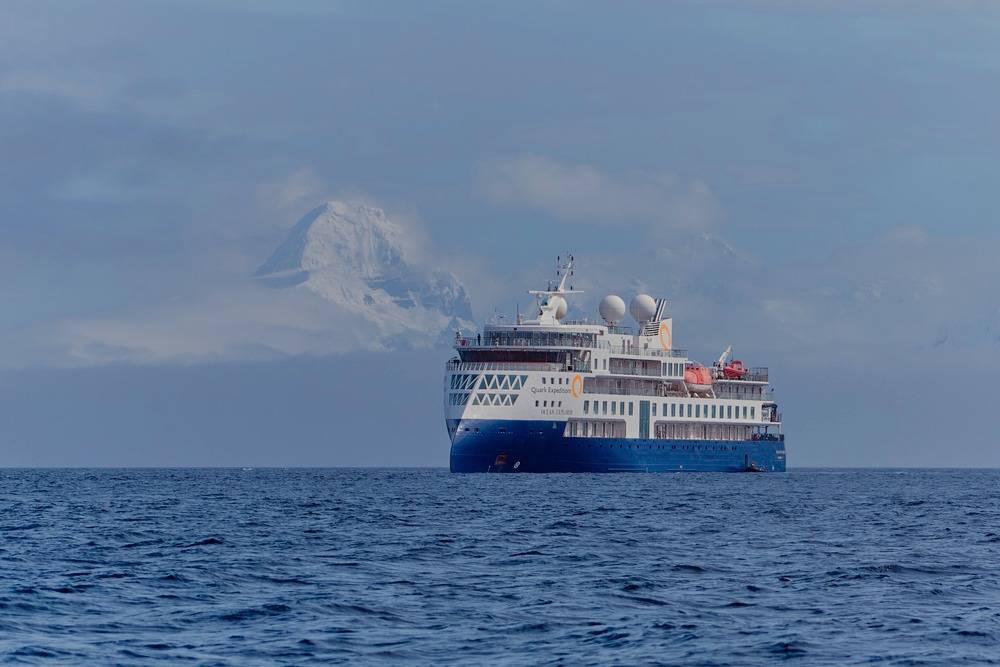
- 138Guests
- 72Cabins
- 2020Launched
- 104.4 mLength
All ship facts
- Crew
- 105
- Decks
- 7
- Speed
- 16 kts
- Width
- 5.3 m
- Currency on board
- USD
- Language
- en