

Wild Arctic Shores: Circumnavigating Iceland and Exploring Greenland
CRUISE ID # LINDBLADEDICGR-270709
Reykjavík TO Reykjavík
Suites & Fares
Itinerary
- Day 1July 09, 2027
Reykjavík, Iceland
Sprawling Reykjavík, the nation's nerve center and government seat, is home to half the island's population. On a bay overlooked by proud Mt. Esja (pronounced eh-shyuh), with its ever-changing hues, Reykjavík presents a colorful sight, its concrete houses painted in light colors and topped by vibrant red, blue, and green roofs. In contrast to the almost treeless countryside, Reykjavík has many tall, native birches, rowans, and willows, as well as imported aspen, pines, and spruces.Reykjavík's name comes from the Icelandic words for smoke, reykur, and bay, vík. In AD 874, Norseman Ingólfur Arnarson saw Iceland rising out of the misty sea and came ashore at a bay eerily shrouded with plumes of steam from nearby hot springs. Today most of the houses in Reykjavík are heated by near-boiling water from the hot springs. Natural heating avoids air pollution; there's no smoke around. You may notice, however, that the hot water brings a slight sulfur smell to the bathroom.Prices are easily on a par with other major European cities. A practical option is to purchase a Reykjavík City Card at the Tourist Information Center or at the Reykjavík Youth Hostel. This card permits unlimited bus usage and admission to any of the city's seven pools, the Family Park and Zoo, and city museums. The cards are valid for one (ISK 3,300), two (ISK 4,400), or three days (ISK 4,900), and they pay for themselves after three or four uses a day. Even lacking the City Card, paying admission (ISK 500, or ISK 250 for seniors and people with disabilities) to one of the city art museums (Hafnarhús, Kjarvalsstaðir, or Ásmundarsafn) gets you free same-day admission to the other two.
- Day 2July 10, 2027
Westfjords, Iceland
Explore the dramatic and remote Westfjords region of Iceland. Hike along the base of a fjord to discover a towering waterfall before entering Ísafjarðardjúp, known for its wealth of wildlife, including whales, seals and countless nesting seabirds. Land at Vigur Island, a fragile wildlife sanctuary, where the landowners continue the traditional eiderdown collection and cleaning process and are active stewards of the colonies of puffins, eider ducks and black guillemots who call the island home.
- Day 3July 11, 2027
Siglufjørdur - høfn, Iceland
Siglufjörður was the center of Iceland’s once-thriving herring industry. Stop by the Herring Museum for a salting demonstration and a tasting. Enjoy the surroundings of Iceland's northern most mainland settlement by joining the local forestry association for an afternoon of conservation in their local woods.
- Day 4July 12, 2027
East Greenland, Greenland
Strike out across the Denmark Strait to the wild shores of East Greenland, where exploration is shaped by the Arctic’s ever-changing ice. On June departures, sea ice typically lines the coast, guiding your journey through vast floes as you navigate among sculpted icebergs. These departures also bring shifting fog that rolls across the ice floes, formed where warm continental air meets the polar ice moving southward. By July and August, fjords often begin to open. When conditions permit, venture into these dramatic waterways and potentially make landings along the coast, with opportunities for hiking, kayaking or Zodiac cruising.
As you explore these remote waters, keep watch from the Bridge or deck for humpbacks, beluga whales and seals—and, with luck, the elusive polar bear.
- Day 5July 13, 2027
East Greenland, Greenland
- Day 6July 14, 2027
Husavik, Iceland
The town of Húsavík sits below Húsavíkurfjall mountain on the eastern shore of Skjálfandi bay. Just above the town is lake Botnsvatn, a popular place for outings. The lake is just the right size for a nice hike around it. The lakes surroundings are rich in vegetation and bird life and trout is said to be abundant, though small. Húsavík harbour lies below the bank right in the heart of town. The harbour once boasted a large fishing fleet, bustling with the activity of fishermen. It still serves as a fishing harbour but today's activity revolves more around the successful whale watching businesses. The first organised whale watching excursions in Iceland started from here in 1995. Since then, whale watching has become a major attraction and Húsavík continues to be the leading destination for whale watching. In addition to the tours, a fascinating whale museum is located right by the harbour. Húsavík is considered to be the oldest settlement in Iceland. The Swedish explorer, Gardar Svavarsson, spent one winter there in 870 AD during which time he built himself a house from which the settlement derives its name.
- Day 7July 15, 2027
Grímsey Island, Iceland
This morning, take Zodiacs ashore to the tiny island of Grímsey, which lies exactly on the Arctic Circle. Celebrate officially arriving in the Arctic, in the company of nesting arctic terns, fulmars and puffins in their burrows. Enjoy an afternoon at sea sailing around the northern corner of Iceland as you continue circumnavigating the island.
- Day 8July 16, 2027
Borgarfjørdur Eystri, Iceland
Located on the eastern shore of Iceland, Borgarfjörður Eystri is well known for its local puffin colony and stunning fjord framed by the Svartvell Summit. Challenge yourself with a hike up to the summit, standing over 1000 feet above sea level, or bike into the backcountry to take in a different perspective on the surrounding mountain range. Join a local guide on a walk through the small village, including a stop at the local eider down shop or get a taste of the local libations. Throughout the day, enjoy some free time observing the puffins in their bustling island colony as they make their way in and out of their burrows.
- Day 9July 17, 2027
Westman Islands, Iceland
The name Vestmannaeyjar refers to both a town and an archipelago off the south coast of Iceland. The largest Vestmannaeyjar island is called Heimaey. It is the only inhabited island in the group and is home to over 4000 people. The eruption of the Eldfell Volcano put Vestmannaeyjar into the international lime light in 1973. The volcano’s eruption destroyed many buildings and forced an evacuation of the residents to mainland Iceland. The lava flow was stopped in its tracks by the application of billions of liters of cold sea water. Since the eruption, life on the small island outpost has returned to the natural ebb and flow of a small coastal fishing community on the edge of the chilly and wild North Atlantic.
- Day 10July 18, 2027
Reykjavík, Iceland
Sprawling Reykjavík, the nation's nerve center and government seat, is home to half the island's population. On a bay overlooked by proud Mt. Esja (pronounced eh-shyuh), with its ever-changing hues, Reykjavík presents a colorful sight, its concrete houses painted in light colors and topped by vibrant red, blue, and green roofs. In contrast to the almost treeless countryside, Reykjavík has many tall, native birches, rowans, and willows, as well as imported aspen, pines, and spruces.Reykjavík's name comes from the Icelandic words for smoke, reykur, and bay, vík. In AD 874, Norseman Ingólfur Arnarson saw Iceland rising out of the misty sea and came ashore at a bay eerily shrouded with plumes of steam from nearby hot springs. Today most of the houses in Reykjavík are heated by near-boiling water from the hot springs. Natural heating avoids air pollution; there's no smoke around. You may notice, however, that the hot water brings a slight sulfur smell to the bathroom.Prices are easily on a par with other major European cities. A practical option is to purchase a Reykjavík City Card at the Tourist Information Center or at the Reykjavík Youth Hostel. This card permits unlimited bus usage and admission to any of the city's seven pools, the Family Park and Zoo, and city museums. The cards are valid for one (ISK 3,300), two (ISK 4,400), or three days (ISK 4,900), and they pay for themselves after three or four uses a day. Even lacking the City Card, paying admission (ISK 500, or ISK 250 for seniors and people with disabilities) to one of the city art museums (Hafnarhús, Kjarvalsstaðir, or Ásmundarsafn) gets you free same-day admission to the other two.
About the Ship
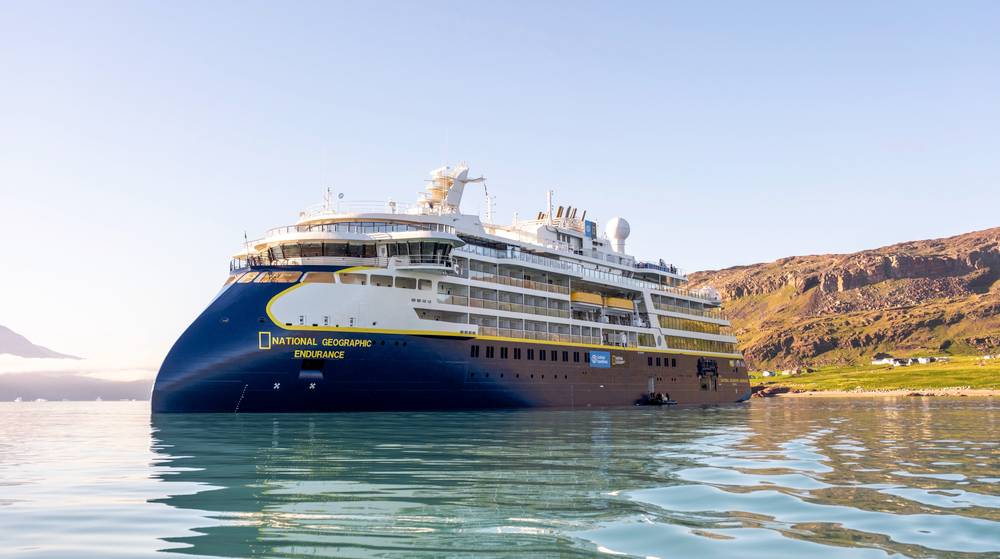
National Geographic Endurance

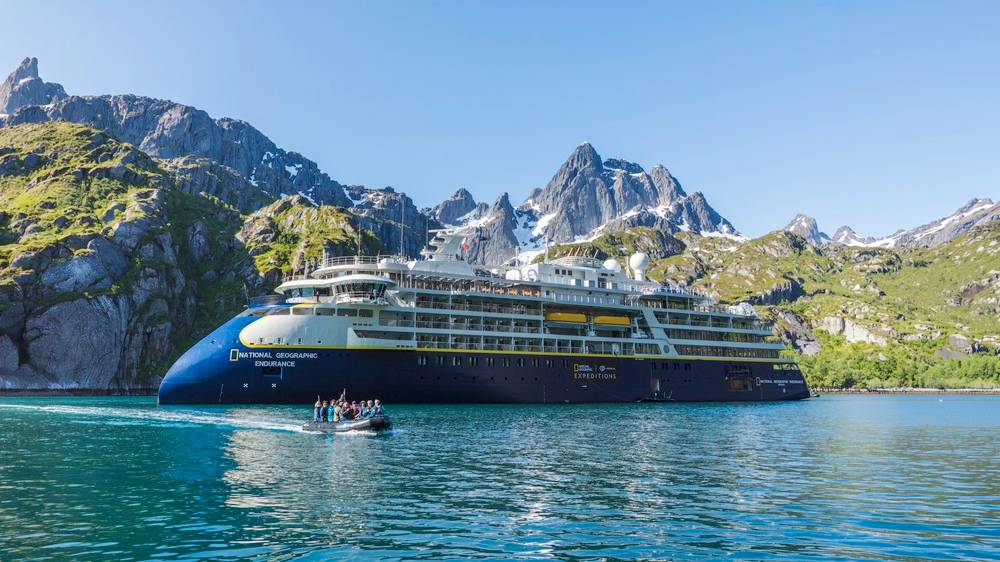
- 138Guests
- 76Cabins
- 2021Launched
- 124 mLength
All ship facts
- Crew
- 116
- Decks
- 6
- Gross tonnage
- 12786
- Speed
- 17 kts
- Width
- 21 m
- Currency on board
- USD
- Language
- en