

Southeast Greenland: Exploring at the Edge of the Ice Cap
CRUISE ID # LINDBLADEDSEGR-280717
Reykjavík TO Reykjavík
Suites & Fares
Itinerary
- Day 1July 17, 2028
Reykjavík, Iceland
Sprawling Reykjavík, the nation's nerve center and government seat, is home to half the island's population. On a bay overlooked by proud Mt. Esja (pronounced eh-shyuh), with its ever-changing hues, Reykjavík presents a colorful sight, its concrete houses painted in light colors and topped by vibrant red, blue, and green roofs. In contrast to the almost treeless countryside, Reykjavík has many tall, native birches, rowans, and willows, as well as imported aspen, pines, and spruces.Reykjavík's name comes from the Icelandic words for smoke, reykur, and bay, vík. In AD 874, Norseman Ingólfur Arnarson saw Iceland rising out of the misty sea and came ashore at a bay eerily shrouded with plumes of steam from nearby hot springs. Today most of the houses in Reykjavík are heated by near-boiling water from the hot springs. Natural heating avoids air pollution; there's no smoke around. You may notice, however, that the hot water brings a slight sulfur smell to the bathroom.Prices are easily on a par with other major European cities. A practical option is to purchase a Reykjavík City Card at the Tourist Information Center or at the Reykjavík Youth Hostel. This card permits unlimited bus usage and admission to any of the city's seven pools, the Family Park and Zoo, and city museums. The cards are valid for one (ISK 3,300), two (ISK 4,400), or three days (ISK 4,900), and they pay for themselves after three or four uses a day. Even lacking the City Card, paying admission (ISK 500, or ISK 250 for seniors and people with disabilities) to one of the city art museums (Hafnarhús, Kjarvalsstaðir, or Ásmundarsafn) gets you free same-day admission to the other two.
- Day 2July 18, 2028
Cruising Denmark Strait
Sail across the Denmark Strait, connecting the Arctic and Atlantic Ocean. The Strait is home to the world's largest waterfall, caused by powerful currents and glaciers. Listen to talks from experts, relax with a book in the lounge or on the observation deck and keep an eye out for whales as the ship travels across the continental shelf.
- Day 3July 19, 2028
Day at Sea
- Day 4July 20, 2028
Dove Bay, King Frederick VIII Land, Greenland
Spend the days exploring the coastal wilds of Southeast Greenland, a dynamic region known for its striking landscapes of towering peaks and active glaciers which connect to the Greenlandic Ice Sheet. The East Greenlandic current also spends much of the summer pushing icebergs down the coast from the North Pole. Experience a true sense of adventure as you discover unknown, wild areas aboard purpose-built ships designed to navigate even the most extreme conditions.
Take in stunning views from the Bridge of unexplored fjords like Skjoldungen, Lindenow and Timmiarmiut; Zodiac cruise along glaciers that continue to push out from the Ice Sheet; and hike into the backcountry with polar bear guards, keeping an eye out for the newly established resident population in this region. At archaeological sites along King Frederick VI Coast, gain insight into the Paleo-Inuit and Thule peoples who researchers believe inhabited the area between 2500-800 BC.
- Day 5July 21, 2028
Dove Bay, King Frederick VIII Land, Greenland
- Day 6July 22, 2028
Dove Bay, King Frederick VIII Land, Greenland
- Day 7July 23, 2028
Dove Bay, King Frederick VIII Land, Greenland
- Day 8July 24, 2028
Dove Bay, King Frederick VIII Land, Greenland
- Day 9July 25, 2028
Day at Sea
- Day 10July 26, 2028
Reykjavík, Iceland
Sprawling Reykjavík, the nation's nerve center and government seat, is home to half the island's population. On a bay overlooked by proud Mt. Esja (pronounced eh-shyuh), with its ever-changing hues, Reykjavík presents a colorful sight, its concrete houses painted in light colors and topped by vibrant red, blue, and green roofs. In contrast to the almost treeless countryside, Reykjavík has many tall, native birches, rowans, and willows, as well as imported aspen, pines, and spruces.Reykjavík's name comes from the Icelandic words for smoke, reykur, and bay, vík. In AD 874, Norseman Ingólfur Arnarson saw Iceland rising out of the misty sea and came ashore at a bay eerily shrouded with plumes of steam from nearby hot springs. Today most of the houses in Reykjavík are heated by near-boiling water from the hot springs. Natural heating avoids air pollution; there's no smoke around. You may notice, however, that the hot water brings a slight sulfur smell to the bathroom.Prices are easily on a par with other major European cities. A practical option is to purchase a Reykjavík City Card at the Tourist Information Center or at the Reykjavík Youth Hostel. This card permits unlimited bus usage and admission to any of the city's seven pools, the Family Park and Zoo, and city museums. The cards are valid for one (ISK 3,300), two (ISK 4,400), or three days (ISK 4,900), and they pay for themselves after three or four uses a day. Even lacking the City Card, paying admission (ISK 500, or ISK 250 for seniors and people with disabilities) to one of the city art museums (Hafnarhús, Kjarvalsstaðir, or Ásmundarsafn) gets you free same-day admission to the other two.
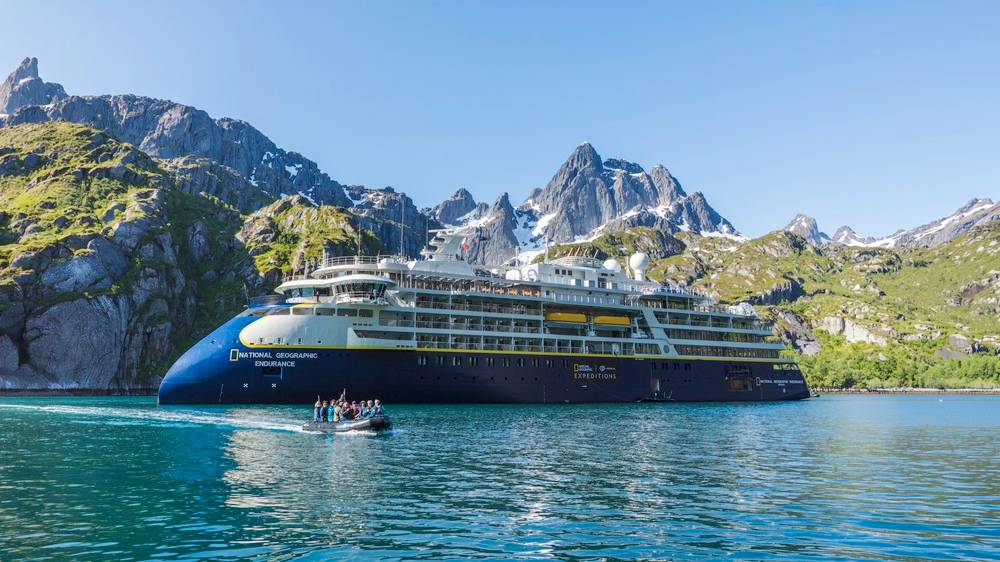
About the Ship
National Geographic Endurance

- 138Guests
- 76Cabins
- 2021Launched
- 124 mLength
All ship facts
- Crew
- 116
- Decks
- 6
- Gross tonnage
- 12786
- Speed
- 17 kts
- Width
- 21 m
- Currency on board
- USD
- Language
- en