

Arctic Edges: Iceland Westfjords to East Greenland
CRUISE ID # LINDBLADEXWIGR-270626
Reykjavík TO Reykjavík
Suites & Fares
Itinerary
- Day 1June 26, 2027
Reykjavík, Iceland
Sprawling Reykjavík, the nation's nerve center and government seat, is home to half the island's population. On a bay overlooked by proud Mt. Esja (pronounced eh-shyuh), with its ever-changing hues, Reykjavík presents a colorful sight, its concrete houses painted in light colors and topped by vibrant red, blue, and green roofs. In contrast to the almost treeless countryside, Reykjavík has many tall, native birches, rowans, and willows, as well as imported aspen, pines, and spruces.Reykjavík's name comes from the Icelandic words for smoke, reykur, and bay, vík. In AD 874, Norseman Ingólfur Arnarson saw Iceland rising out of the misty sea and came ashore at a bay eerily shrouded with plumes of steam from nearby hot springs. Today most of the houses in Reykjavík are heated by near-boiling water from the hot springs. Natural heating avoids air pollution; there's no smoke around. You may notice, however, that the hot water brings a slight sulfur smell to the bathroom.Prices are easily on a par with other major European cities. A practical option is to purchase a Reykjavík City Card at the Tourist Information Center or at the Reykjavík Youth Hostel. This card permits unlimited bus usage and admission to any of the city's seven pools, the Family Park and Zoo, and city museums. The cards are valid for one (ISK 3,300), two (ISK 4,400), or three days (ISK 4,900), and they pay for themselves after three or four uses a day. Even lacking the City Card, paying admission (ISK 500, or ISK 250 for seniors and people with disabilities) to one of the city art museums (Hafnarhús, Kjarvalsstaðir, or Ásmundarsafn) gets you free same-day admission to the other two.
- Day 2June 27, 2027
Djupavik, Iceland
Enjoy a leisurely morning at sea learning about Iceland and its incredible biodiversity. Join your expedition staff on the bow of the ship as you keep watch for the close to 20 different whale species that call the Westfjords home.
Spend the afternoon on the remote eastern side of the Westfjords, an area difficult to access but boasting spectacular beauty and rich history. The tiny town of Djúpavík held its place on the map because of the golden age of herring. During its heyday in the 1930s, its herring plant was the largest concrete structure in Iceland. The plant closed in 1954 but remains as a small museum and a memory of the rich productivity of the herring industry in Iceland. Visit the museum and learn about the significance of this resource to all of Iceland in the 20th century as well as choose from active options in the surrounding mountainsides.
- Day 3June 28, 2027
Skagafjörður, Iceland
Skagafjörður is the gateway to north Iceland, known for its glacial rivers, Icelandic horses and saga history. Take a float trip on the Jökulsá River or visit a historic rural turf farm to understand rural life in Iceland, including the iconic Icelandic horses. Finally, learn about Grettir the Strong, and the saga named after him, by exploring Drangey Island and spotting the multitudes of birds that call the island home like kittiwakes, shearwaters and possibly even ravens and gyrfalcons.
- Day 4June 29, 2027
East Greenland, Greenland
Strike out across the Denmark Strait to the wild shores of East Greenland, where exploration is shaped by the Arctic’s ever-changing ice. On June departures, sea ice typically lines the coast, guiding your journey through vast floes as you navigate among sculpted icebergs. These departures also bring shifting fog that rolls across the ice floes, formed where warm continental air meets the polar ice moving southward. By July and August, fjords often begin to open. When conditions permit, venture into these dramatic waterways and potentially make landings along the coast, with opportunities for hiking, kayaking or Zodiac cruising.
As you explore these remote waters, keep watch from the Bridge or deck for humpbacks, beluga whales and seals—and, with luck, the elusive polar bear.
- Day 5June 30, 2027
East Greenland, Greenland
- Day 6July 01, 2027
Westfjords, Iceland
Explore the beautiful and peaceful Westfjords region of Iceland. Enter Ísafjarðardjúp and land at Vigur Island to visit an eider farm where you’ll learn about the traditional eiderdown collection and cleaning process as well as their prolific bird colonies. Walk over the boardwalks amongst their puffin colony, a shared project between Lindblad Expeditions and the island owners to develop a safer environment for the puffins along with a better infrastructure for local scientists to study the birds. As the ship transits back through the fjord, make your way out to the railings to spot some of the whales that call this region home. The next day explore yet another stunning, remote fjord with expedition activities, including hiking along fjord trails to a dramatic waterfall cascading down from the high plateaus above.
- Day 7July 02, 2027
Westfjords, Iceland
- Day 8July 03, 2027
Reykjavík, Iceland
Sprawling Reykjavík, the nation's nerve center and government seat, is home to half the island's population. On a bay overlooked by proud Mt. Esja (pronounced eh-shyuh), with its ever-changing hues, Reykjavík presents a colorful sight, its concrete houses painted in light colors and topped by vibrant red, blue, and green roofs. In contrast to the almost treeless countryside, Reykjavík has many tall, native birches, rowans, and willows, as well as imported aspen, pines, and spruces.Reykjavík's name comes from the Icelandic words for smoke, reykur, and bay, vík. In AD 874, Norseman Ingólfur Arnarson saw Iceland rising out of the misty sea and came ashore at a bay eerily shrouded with plumes of steam from nearby hot springs. Today most of the houses in Reykjavík are heated by near-boiling water from the hot springs. Natural heating avoids air pollution; there's no smoke around. You may notice, however, that the hot water brings a slight sulfur smell to the bathroom.Prices are easily on a par with other major European cities. A practical option is to purchase a Reykjavík City Card at the Tourist Information Center or at the Reykjavík Youth Hostel. This card permits unlimited bus usage and admission to any of the city's seven pools, the Family Park and Zoo, and city museums. The cards are valid for one (ISK 3,300), two (ISK 4,400), or three days (ISK 4,900), and they pay for themselves after three or four uses a day. Even lacking the City Card, paying admission (ISK 500, or ISK 250 for seniors and people with disabilities) to one of the city art museums (Hafnarhús, Kjarvalsstaðir, or Ásmundarsafn) gets you free same-day admission to the other two.
About the Ship
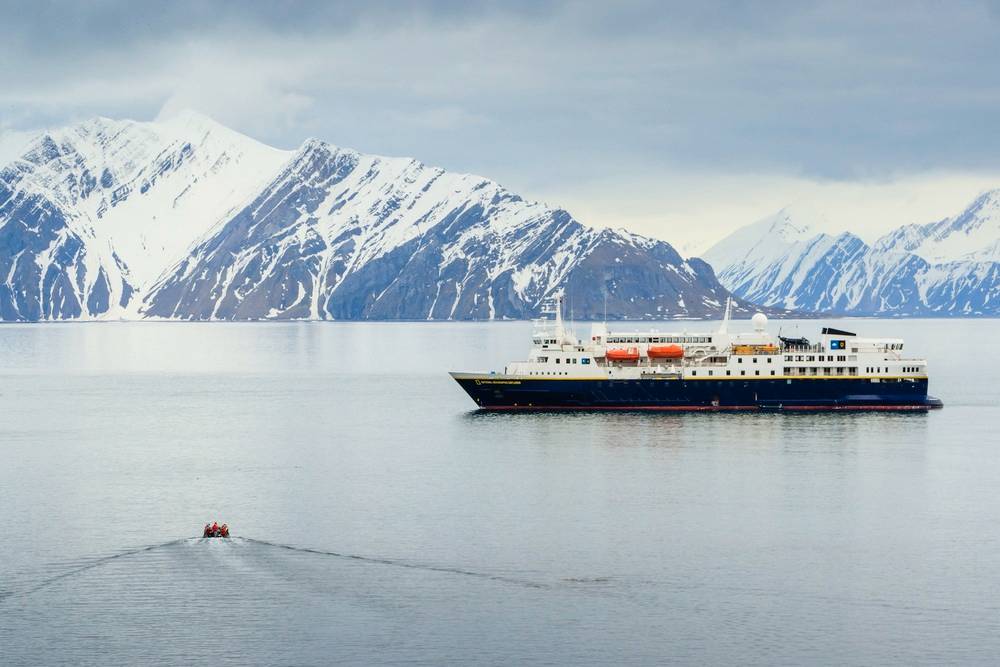
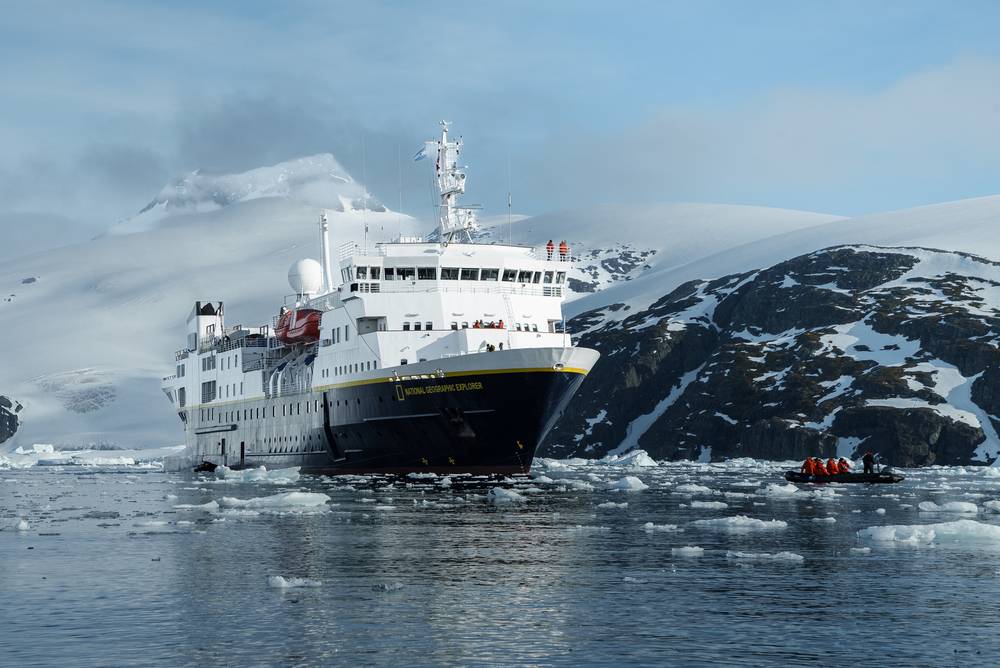
National Geographic Explorer

- 148Guests
- 81Cabins
- 1982Launched
- 112 mLength
All ship facts
- Crew
- 99
- Decks
- 6
- Gross tonnage
- 6471
- Speed
- 15 kts
- Width
- 16.5 m
- Wheelchair cabins
- 0
- Currency on board
- USD
- Language
- en